01
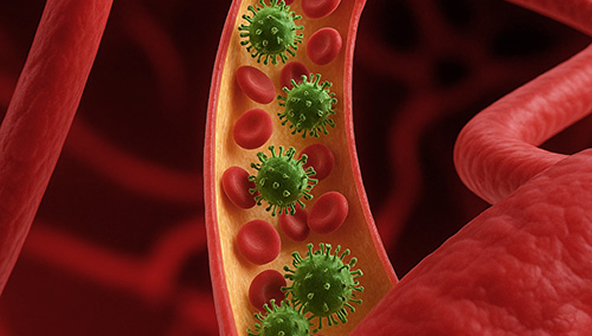
High fever
Possible bacterial infection at the surgical site — requires prompt response

After colorectal or gastric resection, diet management defines recovery speed. Immune Hospital provides systematic stoma care, dumping syndrome management, and low-residue therapeutic diets from immediate post-op.
54% survival with combined Korean medicine and chemotherapy after surgery for advanced gastric cancer
Source: Immune Hospital official website (retrieved 2026-09). Reference cited on that page — Rao X.Q. et al. (1994), CJITWM 14(6):366. immunehospital.com
See estimated treatment costs and the medical visa process at a glance — for patients coming from Kazakhstan, Russia and Central Asia.
Possible bacterial infection at the surgical site — requires prompt response
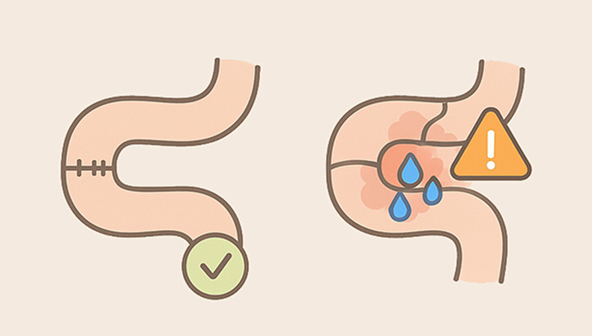
Leakage at the bowel join — risk of reoperation
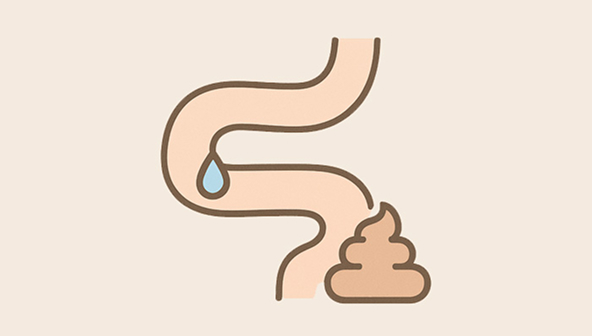
May require a stoma or bowel control management
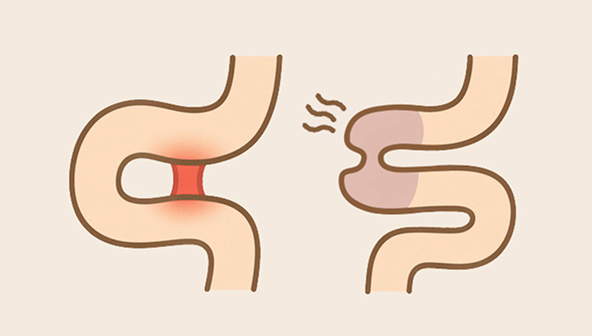
Common complication after abdominal surgery, may recur
Dizziness and hypoglycemia right after eating following gastrectomy (gastrectomy patients)
Inflammation, infection, and delayed wound healing
Risk of lymph node metastasis — immune activation needed
Malabsorption leading to weight loss
Psychological burden of adjusting to a stoma
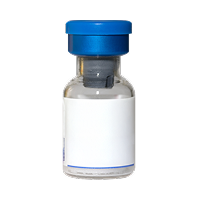
A peptide hormone produced by the thymus that directly activates T-cells and NK cells to attack cancer cells. Plays a key role in restoring immune function after chemotherapy.
International clinical studies confirm T-cell and NK cell activation mechanisms
Diet therapy that minimizes intestinal burden after colorectal or gastric resection surgery.
A small, frequent meal program to prevent dumping syndrome (dizziness/hypoglycemia immediately after eating) after gastrectomy.
Concentrates 8MHz high-frequency current on cancer cell areas to locally heat to 42-43°C. Cancer cells are more heat-sensitive than normal cells, inducing their death with synergistic effects when combined with chemotherapy.
Significant survival time increase when combined with chemotherapy (international clinical data)
A powerful antioxidant that repairs cell damage after chemotherapy and supports liver detoxification. Also effective for skin improvement and immune enhancement.
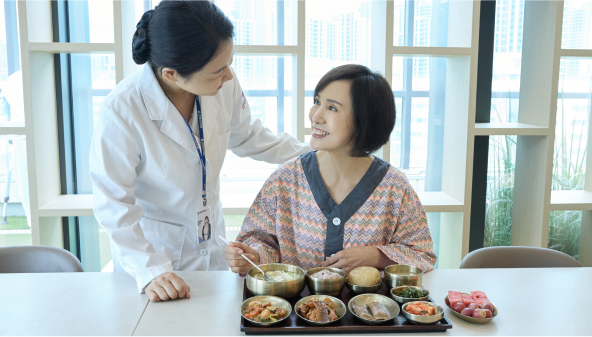
We provide low-residue therapeutic diets and post-gastrectomy diets (for dumping syndrome) from immediately after surgery. A dedicated dietitian monitors each patient's menu daily.
A dedicated nurse teaches 8 stoma care protocols. Support continues remotely even after you return home.
It varies by treatment composition; we provide an individual estimate after a remote consultation. We outline key costs, such as 250,000 KRW per RF hyperthermia session.
A dedicated healwith coordinator supports you in Russian and Kazakh, including hospital accompaniment, document translation, and scheduling.
Start with a no-obligation remote consultation. Your dedicated coordinator will reach out within 1 business day.
The treatment programs, complications and FAQ answers on this page are based on the sources below. This is general information and does not replace a consultation with your doctor.
healwith provides coordination support and does not give medical advice or guarantee outcomes.