01
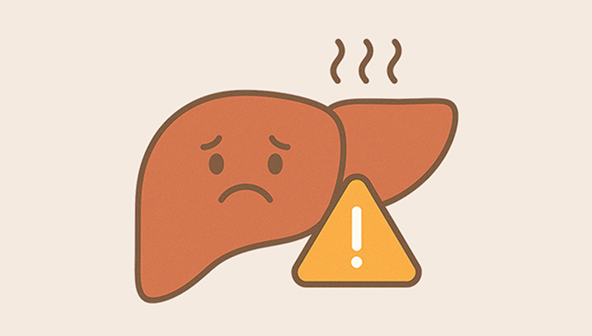
Hepatic dysfunction
Jaundice, itching, diarrhea, fever, and loss of appetite after resection — due to reduced liver volume or bile duct obstruction

Liver, biliary, and pancreatic resection directly affects metabolic function. Immune Hospital integrates management of hepatic failure, bile leakage, digestive/absorption disorders, and post-surgical diabetes.
See estimated treatment costs and the medical visa process at a glance — for patients coming from Kazakhstan, Russia and Central Asia.
Jaundice, itching, diarrhea, fever, and loss of appetite after resection — due to reduced liver volume or bile duct obstruction
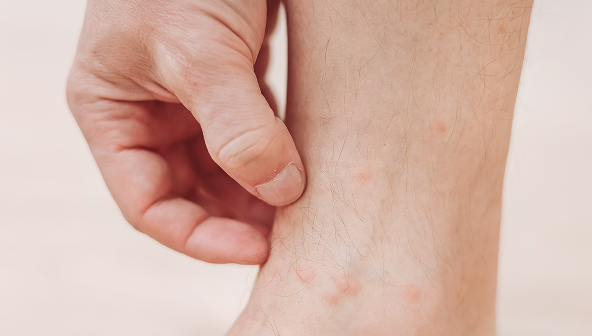
Infection or bleeding at the incision — swelling, pain, and discharge, managed with medication or procedures
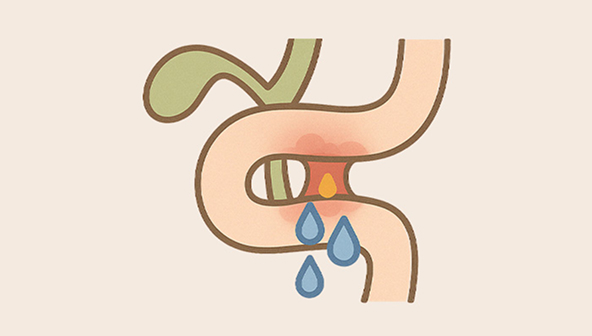
Bile leaking into the abdominal cavity → abdominal pain, fever, jaundice; recovers with appropriate treatment
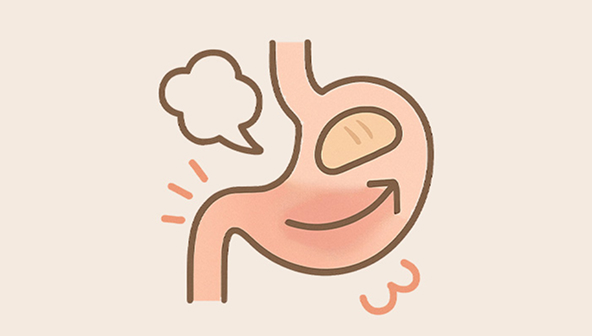
Reduced enzyme secretion after pancreatic resection → indigestion, diarrhea, and poor nutrient absorption
Reduced insulin secretion from removal of pancreatic tissue → risk of developing diabetes
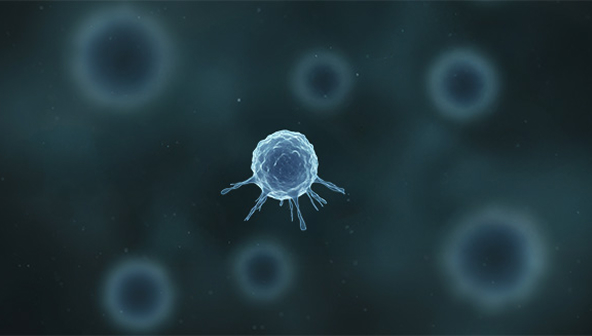
Residual cancer cells at the microscopic level — immune activation is essential
A peptide hormone produced by the thymus that directly activates T-cells and NK cells to attack cancer cells. Plays a key role in restoring immune function after chemotherapy.
International clinical studies confirm T-cell and NK cell activation mechanisms
Concentrates 8MHz high-frequency current on cancer cell areas to locally heat to 42-43°C. Cancer cells are more heat-sensitive than normal cells, inducing their death with synergistic effects when combined with chemotherapy.
Significant survival time increase when combined with chemotherapy (international clinical data)
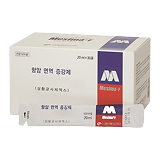
Human placenta extract (Laennec/Melsmon etc.) with cell regeneration, immune regulation, and liver function improvement effects. Used to shorten post-surgical recovery periods.
A powerful antioxidant that repairs cell damage after chemotherapy and supports liver detoxification. Also effective for skin improvement and immune enhancement.
An essential mineral with approximately 2,000 times the antioxidant power of vitamin E. Has mechanisms for suppressing free radicals, preventing DNA damage, and inducing cancer cell death.
Multiple studies confirm reduced chemotherapy toxicity and improved immune function with selenium supplementation
Post-surgical diabetes from reduced pancreatic function is managed with a tailored diet and blood-sugar monitoring. The internist and Korean medicine doctor collaborate on care.
Jaundice, itching, or fever may signal bile duct obstruction. Notify the medical team immediately. We monitor daily during hospitalization.
Yes, healwith translates and reviews Russian medical records and test results, then forwards them to the Korean medical team.
Through telemedicine, follow-up consultations with the Korean doctor are available at 3- and 6-month intervals even after returning home.
Start with a no-obligation remote consultation. Your dedicated coordinator will reach out within 1 business day.
The treatment programs, complications and FAQ answers on this page are based on the sources below. This is general information and does not replace a consultation with your doctor.
healwith provides coordination support and does not give medical advice or guarantee outcomes.